How to Create a Multichannel Prospecting Strategy
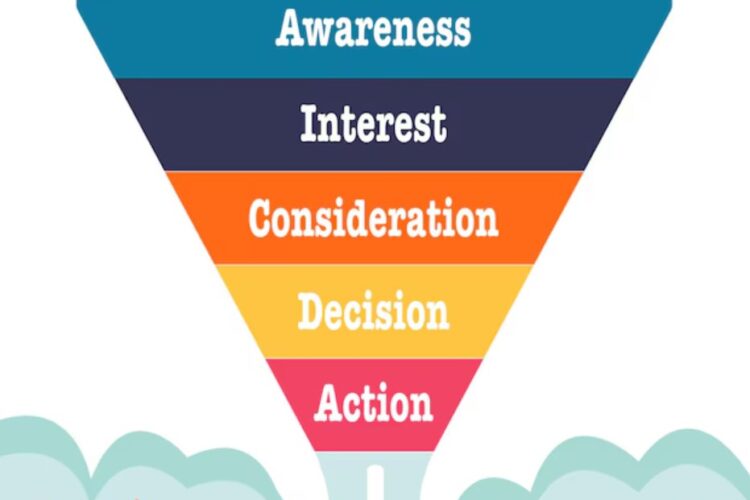
A multichannel prospecting strategy is a sales approach that uses multiple communication channels to connect with potential customers. Instead of relying entirely on email or cold calling, sales teams combine channels such as email, phone, LinkedIn, social media, content, webinars, and other relevant touchpoints.
Modern buyers rarely follow a single path when researching products or services. They may see a company on social media, visit its website, read an article, receive an email, and later speak with a sales representative. A multichannel prospecting strategy allows businesses to create a consistent presence across these interactions.
The goal is not to contact prospects everywhere at once. The goal is to use the right channels, messages, and timing to create meaningful conversations with qualified prospects.
What Is Multichannel Prospecting?
Multichannel prospecting is the process of reaching potential customers through two or more communication channels as part of a coordinated sales campaign.
Common prospecting channels include:
- Phone calls
- Other professional social networks
- Content marketing
- Webinars
- Events
- Direct mail
- Website engagement
- Referrals
- Online communities
For example, a B2B sales representative might research a prospect on LinkedIn, send a personalized business email, follow up with a phone call, and later share a relevant industry resource.
Each interaction supports the same overall sales objective.

Why Use a Multichannel Prospecting Strategy?
Using multiple channels can help businesses reach prospects according to their preferred communication habits.
Some prospects respond quickly to email, while others may prefer a phone conversation or professional networking platform.
A multichannel approach can provide several benefits:
- Increase opportunities for engagement
- Improve prospect visibility
- Reduce dependence on one channel
- Support personalized communication
- Create more sales touchpoints
- Improve follow-up consistency
- Help sales teams identify effective channels
However, using more channels does not automatically produce better results. Poorly coordinated outreach can feel repetitive or intrusive.
The quality and relevance of communication matter more than the number of channels used.
Step 1: Define Your Ideal Customer Profile
Before creating your strategy, identify exactly who you want to reach.
Your Ideal Customer Profile (ICP) should describe the businesses or customers most likely to benefit from your product or service.
For B2B prospecting, consider:
- Industry
- Company size
- Revenue
- Location
- Job titles
- Business model
- Technology
- Common challenges
- Purchasing authority
For example, a SaaS company selling sales software might target sales organizations with 50–500 employees that are actively expanding their sales teams.
A clear ICP helps you choose appropriate channels and prevents your team from wasting resources on irrelevant prospects.
Step 2: Build a High-Quality Prospect List
Once your target audience is defined, create a prospect database.
Useful information may include:
- Company name
- Contact name
- Job title
- Business email
- Business phone number
- Company website
- Industry
- Location
- Company size
- Lead source
- Prospect status
Data should be reviewed and maintained regularly because business information can become outdated.
Where required, organizations should also ensure that their data collection and outreach practices comply with applicable privacy, marketing, and telemarketing requirements.
Step 3: Choose the Right Channels
Not every prospect needs to be contacted through every available channel.
Choose channels based on your audience and product.
Email is useful for personalized B2B outreach, follow-ups, educational content, and sales sequences.
Effective emails should be concise and relevant. Instead of focusing entirely on your company, explain why the message may be useful to the recipient.
Phone
Phone outreach can be effective when a direct conversation is appropriate.
A successful sales call should focus on understanding the prospect’s situation rather than immediately delivering a long sales pitch.
LinkedIn can be useful for B2B prospect research, relationship building, content engagement, and professional outreach.
Instead of immediately sending a sales pitch, consider engaging with relevant content or starting a genuine professional conversation.
Content Marketing
Useful content can help prospects understand a problem before they are ready to speak with sales.
Examples include:
- Industry guides
- Case studies
- Research reports
- Blog posts
- Tutorials
- Checklists
- Whitepapers
Content can also give sales representatives something valuable to share during follow-ups.
Webinars and Events
Webinars, conferences, and industry events can create opportunities for direct interaction with potential customers.
They are particularly useful for products that require education or involve longer buying cycles.
Step 4: Create a Consistent Message
Your messaging should remain consistent across channels.
For example, if your core value proposition is helping businesses reduce customer acquisition costs, your email, phone conversation, LinkedIn communication, and content should support the same general message.
However, the format should change according to the channel.
An email might explain the problem in two or three paragraphs, while a phone call should focus on questions and conversation.
Consistency does not mean copying the exact same message everywhere.
Step 5: Personalize Your Outreach
Personalization is one of the most important parts of multichannel prospecting.
Research the prospect before contacting them and look for information that is genuinely relevant to your offering.
You might consider:
- Their role
- Company growth
- Recent business developments
- Industry challenges
- New products
- Hiring activity
- Technology changes
For example, if a company recently expanded its sales department, you could discuss how your solution helps sales teams manage increased prospecting activity.
Good personalization demonstrates relevance without becoming overly intrusive.
Step 6: Create a Prospecting Sequence
A prospecting sequence defines what happens after the first interaction.
For example:
Day 1: Send a personalized email.
Day 3: Follow up with a LinkedIn interaction or message where appropriate.
Day 5: Make a phone call.
Day 8: Send a useful industry resource.
Day 12: Make another relevant follow-up.
Day 16: Send a final message asking whether the topic is currently relevant.
The exact timing should depend on your audience, sales cycle, channel, and applicable communication rules.
The important point is to avoid sending the same message repeatedly. Each touchpoint should provide context or value.
Step 7: Coordinate Your Sales Channels
Your CRM should contain a record of prospect interactions.
Sales representatives should be able to see:
- Emails sent
- Calls completed
- Responses
- Meetings
- Content interactions
- Follow-up dates
- Notes
- Current sales stage
This prevents multiple salespeople from contacting the same prospect independently and creating a poor customer experience.
A coordinated system also allows sales representatives to understand what the prospect has already seen.
Step 8: Use Automation Carefully
Automation can make multichannel prospecting easier to manage.
You can automate:
- Follow-up reminders
- Email sequences
- CRM tasks
- Lead assignment
- Notifications
- Reporting
- Data updates
But automation should not eliminate human judgment.
For example, if a prospect replies with a detailed question, the next step should generally be handled personally rather than by continuing an automated sequence.
Similarly, communication preferences and opt-out requests should be respected across the entire prospecting system.
Step 9: Measure Channel Performance
Tracking performance helps determine which channels actually contribute to sales.
Important metrics include:
- Response rate
- Positive response rate
- Calls connected
- Meetings booked
- Qualified leads
- Opportunities created
- Pipeline generated
- Conversion rate
- Sales cycle length
- Revenue generated
For example, your email campaign might generate many responses but few qualified opportunities, while phone outreach may generate fewer responses but more sales meetings.
Looking only at activity volume can therefore produce misleading conclusions.
Step 10: Test and Optimize
A multichannel strategy should continuously evolve.
Test variables such as:
- Email subject lines
- Messaging
- Call scripts
- Follow-up timing
- Target industries
- Job titles
- Content offers
- Channel combinations
Review the results regularly and identify which combinations produce the best qualified opportunities.
For example, you might discover that prospects who receive a personalized email followed by a relevant phone conversation convert better than prospects who receive several automated emails.
Use these insights to improve your prospecting sequence.
Common Multichannel Prospecting Mistakes
Using Too Many Channels
More channels do not necessarily mean better results. Focus on the channels your target audience actually uses.
Sending the Same Message Everywhere
A LinkedIn message should not simply be a copy of a long sales email. Adapt the communication to the platform.
Poor Timing
Contacting prospects too frequently can create a negative experience. Build reasonable spacing into your sequence.
Lack of Personalization
Generic messages are easy to ignore. Research the prospect and explain why your offer is relevant.
Poor Data Quality
Incorrect email addresses, phone numbers, company information, and job titles can reduce campaign performance.
Ignoring Responses
A multichannel campaign is not successful if prospects receive automated messages after they have already replied. Make sure your workflow responds to changes in prospect status.
Final Thoughts
Creating a successful multichannel prospecting strategy requires more than using several communication platforms. It requires a coordinated process that connects targeting, research, personalization, messaging, follow-up, and measurement.
Start by defining your ideal customer profile and building an accurate prospect list. Select the channels most relevant to your audience, create a consistent value proposition, and develop a structured sequence of meaningful touchpoints.
Use CRM tools and automation to manage repetitive tasks, but keep important conversations human. Finally, measure results at every stage and continuously improve the strategy based on qualified opportunities and revenue—not simply the number of messages or calls completed.
A well-designed multichannel prospecting strategy can help sales teams reach the right prospects more effectively while creating a more relevant and professional buying experience.